Short answer: It is possible. Full-spectrum CBD can contain THC, and repeated use may lead to enough THC exposure to trigger a positive result on a workplace drug test. The “0.3% THC” figure is a legal limit used to define hemp under federal law—not a promise that a CBD product contains no THC or that using it is safe for a drug test.
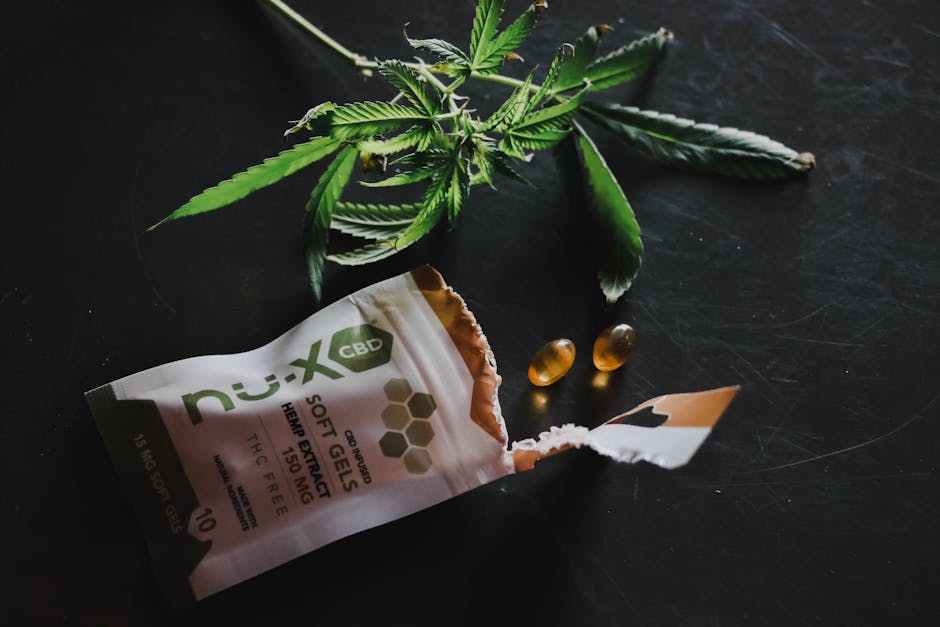
If a positive result could affect your job, professional license, probation, or another important obligation, the cautious choice is to avoid full-spectrum CBD. Even products labeled “THC-free” deserve a careful look: check the batch-specific certificate of analysis, or COA, and remember that no consumer product label can guarantee the result of an individual drug test.
What the 0.3% THC Rule Actually Means
The 0.3% THC rule refers https://bizzmarkblog.com/cbd-and-medication-interactions-what-should-i-ask-my-doctor/ to the federal definition of hemp: cannabis and its derivatives must contain no more than 0.3% delta-9 THC by dry weight to qualify as hemp under that definition. The 2018 Farm Bill removed hemp from the federal Controlled Substances Act definition of marijuana, helping open the door to wider sales of hemp-derived products. It did not make every hemp product THC-free, nor did it establish that those products cannot affect a drug test.
That percentage can also be easy to misread. It describes a concentration, not the total amount of THC someone consumes. The amount in a serving depends on the product’s size and formulation, and a person may take more than one serving over time. Product labels and state rules vary, so the figure alone is not enough to estimate exposure.
CBD, short for cannabidiol, is a compound found in cannabis. THC, or tetrahydrocannabinol, is a different compound that can cause intoxicating effects. CBD itself is not what most standard workplace urine tests are designed to detect. Those tests typically look for THC’s metabolites—substances the body makes as it processes THC.
Can Full-Spectrum CBD Make a Drug Test Positive?
Yes, it can. Full-spectrum CBD products are made to retain multiple compounds from the hemp plant, and they may contain THC within the applicable legal limit. With repeated use, THC exposure can add up. Whether that leads to a positive test depends on several factors, including the amount of THC in the product, how much and how often a person uses it, individual differences in metabolism, and the test being used.
No one can reliably calculate a personal result from the label’s “0.3%” figure alone. Drug tests also have specific procedures and cutoffs, Click here and workplace policies differ. A negative result on one test does not guarantee a negative result on another, and a product’s compliance with hemp rules is not a defense against a positive workplace test.
People sometimes assume that taking a small amount once means there is no risk. That is not a dependable rule. Exposure varies from product to product, and testing outcomes are not predictable enough to promise a safe amount or timing. If you are subject to testing, treat full-spectrum CBD as a product with potential THC exposure.
Full-Spectrum vs. Broad-Spectrum vs. CBD Isolate
CBD products are often grouped by the kinds of cannabis compounds they contain. These terms are useful shorthand, but they do not replace a batch-specific lab report.
Product type What it generally contains Drug-test consideration Full-spectrum CBD CBD and other plant compounds, including potentially small amounts of THC THC may be present; there is a drug-test risk Broad-spectrum CBD CBD and some other plant compounds; manufacturers generally say THC has been removed Often marketed as THC-free, but check the batch COA for THC results and detection limits CBD isolate CBD separated from most or all other cannabis compounds Usually intended to contain CBD without THC, but verify the actual product’s COAFull-spectrum means a product is intended to preserve a wider range of hemp compounds, not that every product has the same composition. Broad-spectrum generally refers to a product with multiple plant compounds but with THC removed. Isolate refers to CBD separated from other compounds. In practice, manufacturing and labeling can vary, so the category name is only a starting point.
What Is the “Entourage Effect”?
The entourage effect is the idea that cannabis compounds may work differently together than they do on their own. It is one reason some consumers choose full-spectrum or broad-spectrum products. The idea is not proof that a particular product will work better, and it does not establish a medical benefit for every user. Importantly for drug testing, the presence of other plant compounds does not cancel out THC exposure.
How to Read a Batch-Specific COA
A certificate of analysis (COA) is a lab report describing the measured contents of a product sample. A batch-specific COA is tied to the particular batch being sold, rather than a generic sample or a report for an older product. It is one of the most useful checks a shopper can make, but it is not a guarantee of a future test result.
Use this checklist when reviewing a report:
- Match the batch. Compare the batch or lot number on the package with the one on the COA. If they do not match, ask the company for the right report. Check the product name and date. Confirm that the report describes the same product and a relevant batch, not simply the company’s hemp or a different formula. Find the cannabinoid results. Look for delta-9 THC and, where reported, other THC forms. Read the units and serving information carefully; a concentration result is not always the same as the total amount in a serving. Understand “ND.” “Not detected” means the lab did not detect a compound above its test method’s detection limit. It does not necessarily mean there is absolutely zero THC. Look for the lab and method. A report should identify the laboratory and provide enough information to understand what was tested. If the report is difficult to verify or does not include cannabinoid results, ask the seller for clarification. Review more than THC. Depending on the product, a COA may also show tests for contaminants such as pesticides, heavy metals, or solvents. These checks relate to product quality, not drug-test safety.
A COA records results for the sample tested. It cannot confirm that every bottle is identical, and it cannot predict how your body will respond to THC exposure. A report that shows no THC detected may lower uncertainty, but the detection limit and batch match still matter.
How Lab Testing and Refinement Affect THC Content
Manufacturers may use extraction and refinement steps to separate or reduce compounds in hemp oil. Broad-spectrum products and isolates, for example, are often made through additional processing intended to remove THC or other plant compounds. The exact methods and results vary by manufacturer.
Testing is important after those steps. A product that starts with hemp extract described as “THC-free” should still have its finished batch tested. Processing can reduce THC, but a shopper should not treat the name of a process, a supplier statement, or a front-label claim as proof that the finished product has no detectable THC.
Ask whether the company provides a current COA for the finished product and whether the report’s result is expressed in a way that makes sense for the labeled serving. If a brand says “THC-free” but will not provide a batch report, that claim is difficult to verify. And even a report showing THC below the lab’s detection limit is not the same as a promise that drug testing will be unaffected.
Why CBD Became a Mainstream Product After 2018
The 2018 Farm Bill’s change to the federal definition of hemp helped move hemp-derived CBD into a much broader retail market. CBD products appeared in shops and online, and familiar labels such as “full-spectrum,” “broad-spectrum,” and “THC-free” became part of everyday shopping. The change helped expand access; it did not mean every CBD product had been evaluated or approved by the Food and Drug Administration as a medicine.
Rules can also vary by state and product type. Consumers should not assume that a product being widely sold means it is appropriate for a medical condition, free of contaminants, or compatible with a workplace drug-testing policy. If you take medication or have a health condition, discuss CBD use with a clinician or pharmacist. CBD can interact with some medicines, and product composition may differ from what a shopper expects.
Does “THC-Free” Mean No Drug-Test Risk?
Not necessarily. “THC-free” is a label claim, not a result you can assess without details. Manufacturing errors, variation between batches, or inadequate testing can leave consumers uncertain about what is in a product. Even where a batch COA reports no THC detected, the report applies to the sample tested and has a detection limit.

For someone facing a strict testing policy, moving from full-spectrum to broad-spectrum or isolate may reduce the chance of THC exposure, but it cannot guarantee a negative test. The most conservative option is to avoid CBD products when a positive result would have serious consequences. If you still choose to use one, review the actual batch report and understand that residual risk remains.
A Note About Prices and Product Comparisons
Some scraped articles or product roundups omit prices. That is a limitation of the information available—not a reason to guess or invent a price. CBD prices can change with product size, formulation, promotions, and retailer, and price alone does not establish quality. If comparing products, check current listings directly and compare the serving information, batch-specific COA, THC results, and other available testing rather than relying on an absent or outdated price.
The Practical Bottom Line
If you are asking, “Full-spectrum CBD has 0.3% THC—will I fail a drug test?” the honest answer is: you might, and no label can tell you for certain. The 0.3% THC rule is a hemp definition, not a drug-test guarantee. Full-spectrum products may contain THC, and use can create exposure that standard testing may detect.
If testing matters, avoid full-spectrum CBD. It may contain THC even when it complies with hemp rules. Do not rely on “THC-free” by itself. Ask for a batch-specific COA for the finished product. Read the report closely. Match the batch number, check THC results, and note the lab’s detection limit. Do not treat broad-spectrum or isolate as a guarantee. These may reduce THC exposure, but the actual product and report matter. Check the relevant policy. If a job or licensing program has strict rules, ask the appropriate administrator or a qualified professional before using CBD.For many shoppers, CBD is a personal wellness purchase. For people who are tested, it is also a product-composition question—and the safest decision starts with the evidence on the exact batch, not a broad promise on the front of the bottle.